
Autumn seasonal guidance
Autumn seasonal guidance
Autumn has truly arrived here in Australia, marking a clear turning point in the year and a gentle but undeniable inward shift as we enter the cooler months. There is a distinct change in the atmosphere at this time of year- crisper air, softer light, and a natural pull toward slowing down, simplifying, and turning inward.
From a Traditional Chinese Medicine (TCM) perspective, autumn is governed by the Lung and Large Intestine meridians, and is strongly associated with the emotion of grief and the process of letting go. It is a season that reminds us that release is not only natural, but necessary for renewal. The lungs are responsible for receiving what is pure and letting go of what is no longer needed, both physically through breath, and symbolically through emotional processing and release.
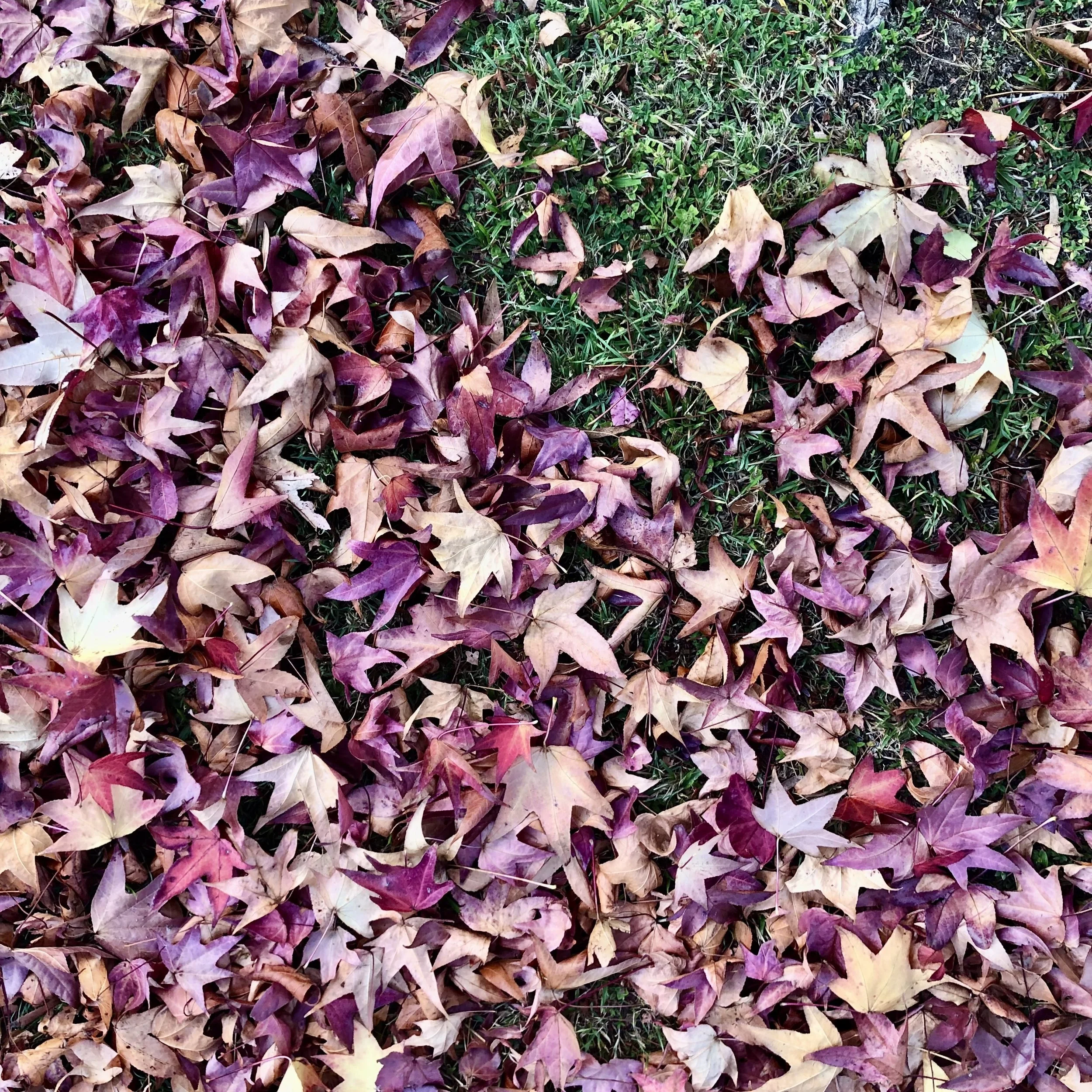
In nature, autumn is the season of surrender. Trees do not resist the changing conditions; they let go of their leaves with ease. There is no clinging or forcing. The leaves fall not as an ending, but as part of a larger cycle of nourishment, returning to the soil to fertilise and sustain new life. In the same way, we are invited to reflect on what we are holding onto that may no longer serve us, and to allow it to be released with trust. What we let go of is not wasted; it becomes the foundation for what comes next.
Our ancestors lived in close alignment with these seasonal rhythms. Autumn was a time of harvest and preparation—gathering, preserving, and gradually turning inward to conserve energy for the colder months. While modern life has shifted away from this necessity, the body and psyche still respond to these cycles, often calling for more rest, reflection, and simplicity at this time of year.
Diet:
Shift towards warm, cooked, and easily digestible foods—think root vegetables, pumpkin, sweet potato, carrots, and lightly stewed fruits such as pears and apples. Nourishing broths and soups become especially supportive during this time.
Incorporate moistening foods such as sesame, almonds, oats, and healthy fats to help counteract the natural dryness of the season.
It is best to minimise raw foods (such as cold salads), iced drinks, cold smoothies, and overly cooling foods like coconut, cucumber, mango, and mint, which can further deplete warmth and digestive fire.
Flavours:
Favour gentle pungent flavours such as ginger, garlic, onion, daikon, and mustard greens in moderation. These help to support lung function and circulation. Balance this with naturally sweet whole foods to nourish and harmonise the system. If there are signs of dryness, avoid excessive spicy or overly heating foods.
Lifestyle:
Autumn invites us to slow down and simplify. Rise with the light, but allow for more rest as the days shorten. Gentle movement such as walking, yin yoga, and breathwork becomes more beneficial than intense or overly stimulating exercise. Prioritise practices that cultivate stillness, reflection, and internal awareness.
Emotions:
This season is associated with grief and the process of letting go. It is a natural time of release—physically, emotionally, and mentally. Creating space to acknowledge and process what you are holding onto can be deeply supportive. Journaling, breath-focused meditation, and time in nature can all help facilitate this inward transition.
Cautions:
Dryness is the dominant influence in autumn. This may show up as dry skin, throat, sinuses, or constipation. Support hydration both internally (warm fluids, soups, herbal teas) and externally (facial oils, body oils, humidified environments if needed). The lungs are particularly vulnerable during this season, so take care with exposure to cold, wind, and dry air.